Plank tinggi dengan angkat lengan dan kaki berlawanan
Learn how to do Plank tinggi dengan angkat lengan dan kaki berlawanan with proper form. Watch the 4K video, see which muscles are worked, and follow step-by-step instructions.
Plank tinggi dengan angkat lengan dan kaki berlawanan is a No equipment exercise that primarily targets the Abs, with secondary activation of the Deep Core, Shoulders, Glutes, Lower Back. It has a MET value of 4, meaning a 70kg person burns approximately 140 calories in a 30-minute session..
How to Do Plank tinggi dengan angkat lengan dan kaki berlawanan
An advanced plank variation that challenges core stability, balance, and coordination by lifting the opposite arm and leg simultaneously.
💡 Instructions:
Start in a high plank position with hands under shoulders and body in a straight line.
Engage your core and glutes to maintain stability.
Lift your right arm and left leg at the same time, keeping them straight.
Hold briefly at the top, then return to the plank position.
Repeat with the opposite arm and leg.
⚠️ Common mistakes:
Letting hips rotate or sag during the lift
Overextending the arm or leg
Rushing through the movement instead of controlling it
Placing hands too far forward or back
You're a coach? Plank tinggi dengan angkat lengan dan kaki berlawanan is already in Gymkee's library of 550+ 4K exercises. Add it to your programs in seconds.
Start Free TrialMuscles Worked by Plank tinggi dengan angkat lengan dan kaki berlawanan
Equipment
- No equipment
Calories Burned Doing Plank tinggi dengan angkat lengan dan kaki berlawanan
Calorie Calculator
MET 4Calories = MET × weight (kg) × time (hours)
Quick Facts: Plank tinggi dengan angkat lengan dan kaki berlawanan
- Type
- No equipment exercise
- Primary muscle
- Abs
- Secondary muscles
- Deep Core, Shoulders, Glutes, Lower Back
- MET value
- 4
- Calories (30 min, 70kg)
- ≈ 140 cal
- Video quality
- 4K with male and female demonstrations
FAQ: Plank tinggi dengan angkat lengan dan kaki berlawanan
What muscles does Plank tinggi dengan angkat lengan dan kaki berlawanan work?
Plank tinggi dengan angkat lengan dan kaki berlawanan primarily targets the Abs, with secondary engagement of the Deep Core, Shoulders, Glutes, Lower Back.
How do you do Plank tinggi dengan angkat lengan dan kaki berlawanan correctly?
An advanced plank variation that challenges core stability, balance, and coordination by lifting the opposite arm and leg simultaneously. 💡 Instructions:...
Is Plank tinggi dengan angkat lengan dan kaki berlawanan good for beginners?
Plank tinggi dengan angkat lengan dan kaki berlawanan has a MET value of 4, indicating a moderate intensity exercise appropriate for most fitness levels.
What equipment do you need for Plank tinggi dengan angkat lengan dan kaki berlawanan?
Plank tinggi dengan angkat lengan dan kaki berlawanan requires: No equipment.
What are the benefits of Plank tinggi dengan angkat lengan dan kaki berlawanan?
Plank tinggi dengan angkat lengan dan kaki berlawanan strengthens the Abs, engages the Deep Core and Shoulders and Glutes and Lower Back.
What exercises are similar to Plank tinggi dengan angkat lengan dan kaki berlawanan?
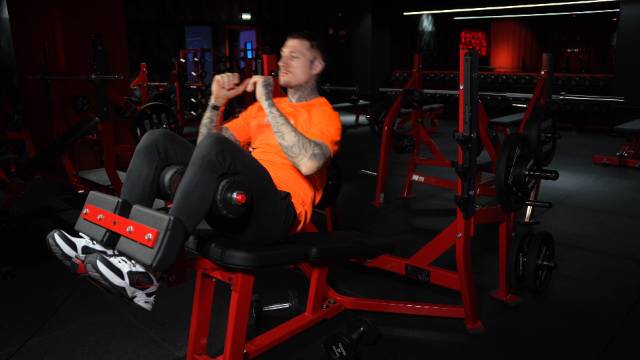
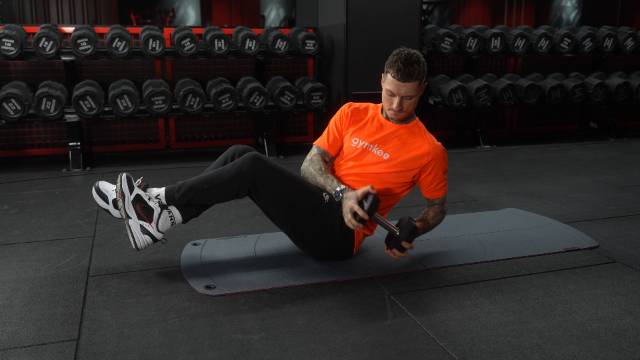
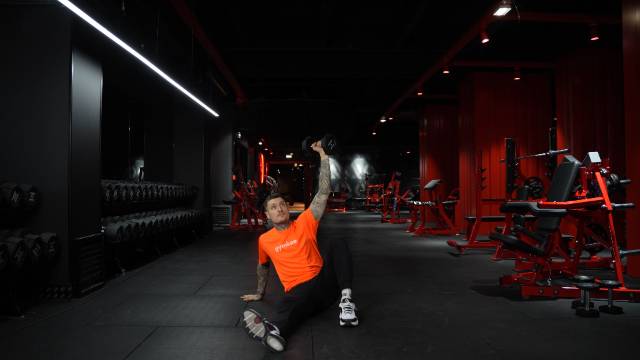
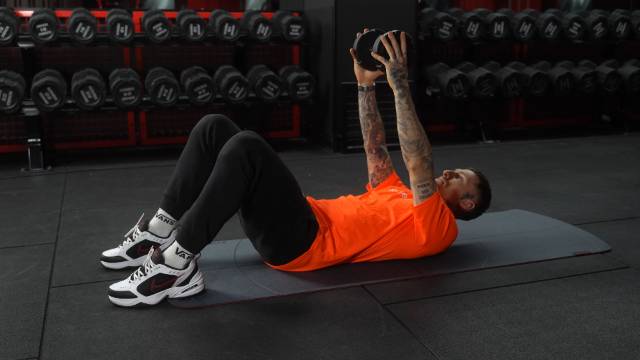
Similar exercises to Plank tinggi dengan angkat lengan dan kaki berlawanan include Crunch menurun, Twist Rusia dengan dumbbell, Dumbbell Turkish Get-Up, Crunch berbobot dumbbell.
Is Plank tinggi dengan angkat lengan dan kaki berlawanan better than Crunch menurun?
Both Plank tinggi dengan angkat lengan dan kaki berlawanan and Crunch menurun target the Abs. Choose based on your available equipment and training goals.
Alternative Exercises
Add Plank tinggi dengan angkat lengan dan kaki berlawanan to your coaching programs
Create personalized training programs with Gymkee. Access 550+ exercises in 4K with male and female videos, multiple angles, and step-by-step instructions. Build custom workouts and deliver a professional experience to your clients.
© 2019–2026 KEEZOKU SAS. All exercise content (videos, descriptions, data) is protected intellectual property. Unauthorized reproduction, distribution, or modification is prohibited.