Lunge – return to start (Dynamic)
Naucz się poprawnie wykonywać Lunge – return to start (Dynamic) . Obejrzyj wideo 4K, sprawdź zaangażowane mięśnie i postępuj zgodnie z instrukcjami krok po kroku.
Lunge – return to start (Dynamic) to ćwiczenie Bez sprzętu które angażuje głównie Czworogłowe uda, z pomocniczą aktywacją Pośladki, Dwugłowe uda, Łydki, Głęboki core. Wartość MET wynosi 5.5, co oznacza, że osoba o wadze 70 kg spali około 193 kalorii w 30 minut.
Jak wykonać Lunge – return to start (Dynamic)
1 - Stand up straight with your hands on your hips.
2 - Your torso should be straight.
Nice, you're in the starting position 👌
3 - Do a first jump by pushing one leg forward while the other leg goes backward.
4 - Both legs should form a 90° angle.
5 - Alternate between your legs.
Feel free to rewatch the video to fully understand the movement.
#Executionisking👑
Jesteś trenerem? Lunge – return to start (Dynamic) jest już w bibliotece Gymkee z ponad 550 ćwiczeniami w 4K. Dodaj do swoich programów w kilka sekund.
Wypróbuj za darmoMięśnie zaangażowane w Lunge – return to start (Dynamic)
Wymagany sprzęt
- Bez sprzętu
Kalorie spalone podczas Lunge – return to start (Dynamic)
Kalkulator kalorii
MET 5.5Kalorie = MET × waga (kg) × czas (godziny)
W skrócie: Lunge – return to start (Dynamic)
- Typ
- Bez sprzętu ćwiczenie
- Mięsień główny
- Czworogłowe uda
- Mięśnie pomocnicze
- Pośladki, Dwugłowe uda, Łydki, Głęboki core
- Wartość MET
- 5.5
- Kalorie (30 min, 70 kg)
- ≈ 193 cal
- Jakość wideo
- 4K z demonstracjami męskimi i żeńskimi
FAQ: Lunge – return to start (Dynamic)
Jakie mięśnie angażuje Lunge – return to start (Dynamic) ?
Lunge – return to start (Dynamic) angażuje głównie Czworogłowe uda, z pomocniczą aktywacją Pośladki, Dwugłowe uda, Łydki, Głęboki core.
Jak prawidłowo wykonać Lunge – return to start (Dynamic) ?
How to perform this exercise correctly 😎 1 - Stand up straight with your hands on your hips. 2 - Your torso should be straight. Nice, you're in the st
Czy Lunge – return to start (Dynamic) jest odpowiednie dla początkujących?
Lunge – return to start (Dynamic) ma wartość MET 5.5, co wskazuje na ćwiczenie o umiarkowanej intensywności odpowiednie dla większości poziomów.
Jaki sprzęt jest potrzebny do Lunge – return to start (Dynamic) ?
Lunge – return to start (Dynamic) wymaga: Bez sprzętu.
Jakie są korzyści z Lunge – return to start (Dynamic) ?
Lunge – return to start (Dynamic) wzmacnia Czworogłowe uda, aktywuje Pośladki i Dwugłowe uda i Łydki i Głęboki core, buduje siłę funkcjonalną z Bez sprzętu. Dodaj do programu dla zrównoważonego rozwoju mięśni.
Jakie ćwiczenia są podobne do Lunge – return to start (Dynamic) ?
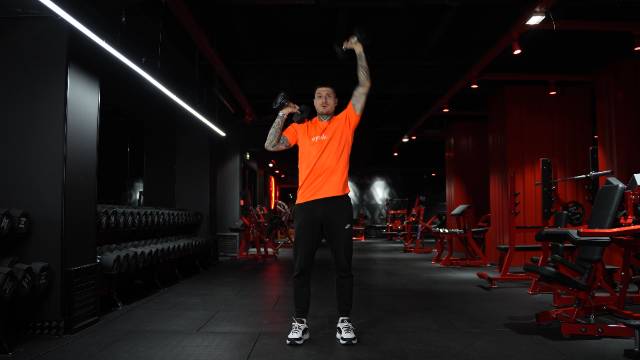
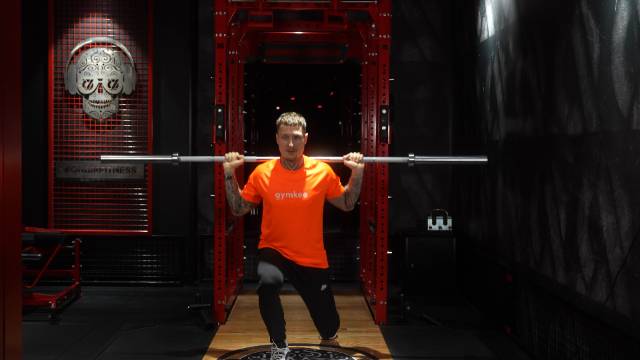
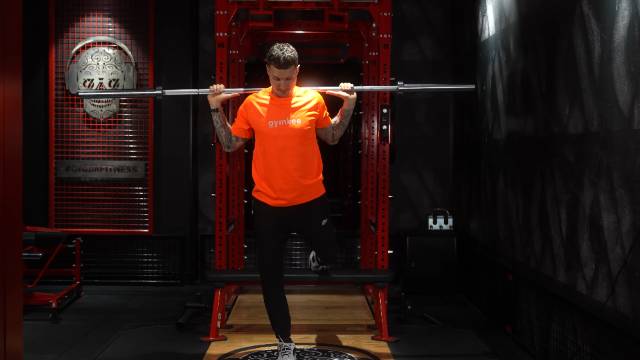
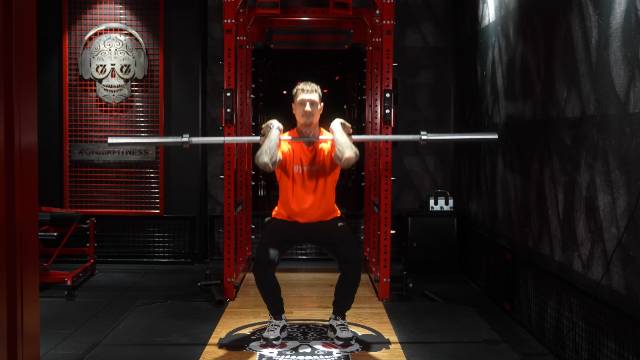
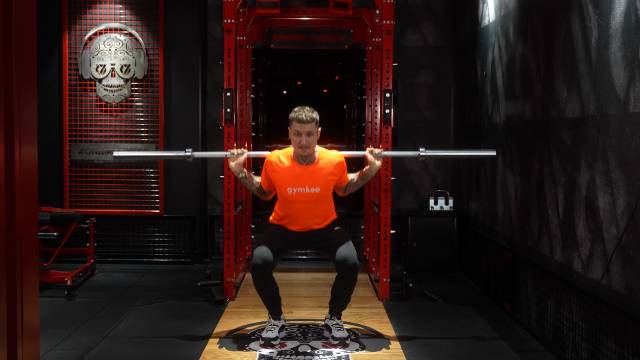
Ćwiczenia podobne do Lunge – return to start (Dynamic) to Alternating Single-Arm Dumbbell Thruster, Barbell Alternating Lunges, Barbell Bulgarian Split Squat, Przysiad przedni ze sztangą. Te alternatywy angażują te same grupy mięśniowe i pozwalają urozmaicić trening.
Czy Lunge – return to start (Dynamic) jest lepsze niż Alternating Single-Arm Dumbbell Thruster?
Lunge – return to start (Dynamic) i Alternating Single-Arm Dumbbell Thruster angażują Czworogłowe uda. Lunge – return to start (Dynamic) wykorzystuje Bez sprzętu, podczas gdy Alternating Single-Arm Dumbbell Thruster oferuje inny wzorzec ruchu. Najlepszy wybór zależy od twoich celów. Wielu trenerów używa obu dla kompleksowego rozwoju.
Alternatywne ćwiczenia
Dodaj Lunge – return to start (Dynamic) do swoich programów
Twórz spersonalizowane programy z Gymkee. Ponad 550 ćwiczeń w 4K z filmami dla mężczyzn i kobiet oraz instrukcjami krok po kroku.
© 2019–2026 KEEZOKU SAS. All exercise content (videos, descriptions, data) is protected intellectual property. Unauthorized reproduction, distribution, or modification is prohibited.