Jumping Lunges – Alternating
Learn how to do Jumping Lunges – Alternating with proper form. Watch the 4K video demonstration, see which muscles are worked, and follow step-by-step instructions.
Jumping Lunges – Alternating is a No equipment exercise that primarily targets the Quadriceps, with secondary activation of the Glutes, Hamstrings, Calves, Deep Core. It has a MET value of 7, meaning a 70 kg person burns approximately 245 calories in a 30-minute session.
How to Do Jumping Lunges – Alternating
A plyometric lunge variation where you explosively jump to switch legs mid-air, landing directly into the opposite lunge position.
💡 Instructions:
Start in a lunge position, with one foot forward and the other back.
Bend both knees to lower until your back knee is just above the floor.
Explosively push through both legs, jumping upward.
Switch leg positions in the air, landing softly into a lunge on the opposite side.
Keep your chest upright and core engaged throughout the movement.
⚠️ Common mistakes:
Letting the front knee cave inward.
Landing with stiff legs or locked knees.
Leaning the torso too far forward.
Not controlling the landing before the next jump.
You're a coach? Jumping Lunges – Alternating is already in Gymkee's library of 550+ 4K exercises. Add it to your programs in seconds.
Start Free TrialMuscles Worked by Jumping Lunges – Alternating
Equipment
- No equipment
Calorie Calculator
MET 7Calories = MET × weight (kg) × time (hours)
Quick Facts: Jumping Lunges – Alternating
- Type
- No equipment exercise
- Primary muscle
- Quadriceps
- Secondary muscles
- Glutes, Hamstrings, Calves, Deep Core
- MET value
- 7
- Calories (30 min, 70 kg)
- ≈ 245 cal
- Video quality
- 4K with male and female demonstrations
More Quadriceps Exercises
FAQ: Jumping Lunges – Alternating
What muscles does Jumping Lunges – Alternating work?
Jumping Lunges – Alternating primarily targets the Quadriceps, with secondary engagement of the Glutes, Hamstrings, Calves, Deep Core.
How do you do Jumping Lunges – Alternating correctly?
A plyometric lunge variation where you explosively jump to switch legs mid-air, landing directly into the opposite lunge position. 💡 Instructions: Start...
Is Jumping Lunges – Alternating good for beginners?
Jumping Lunges – Alternating has a MET value of 7, indicating a high intensity exercise best suited for intermediate to advanced athletes. Always consult a qualified personal trainer before starting a new exercise program.
What equipment do you need for Jumping Lunges – Alternating ?
Jumping Lunges – Alternating requires: No equipment.
What are the benefits of Jumping Lunges – Alternating ?
Jumping Lunges – Alternating strengthens the Quadriceps, engages the Glutes and Hamstrings and Calves and Deep Core, builds functional strength using No equipment. Incorporate it into your training program for balanced muscle development and improved performance.
What exercises are similar to Jumping Lunges – Alternating ?
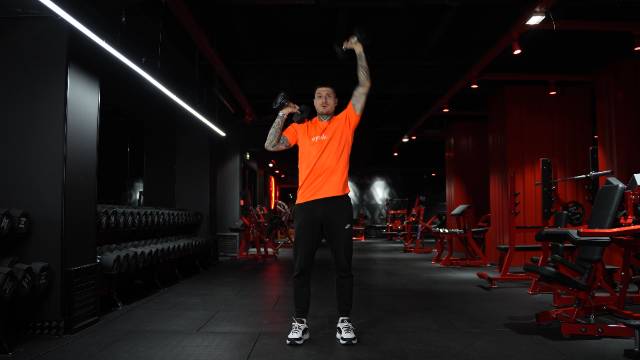
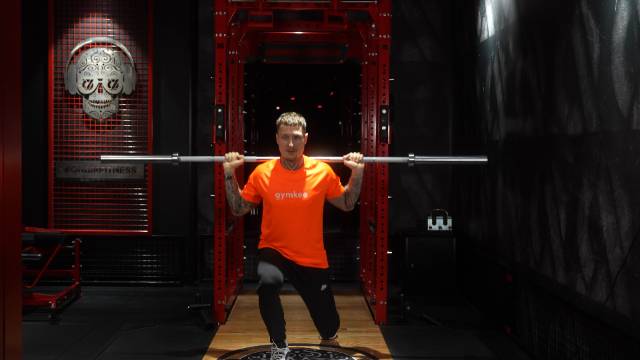
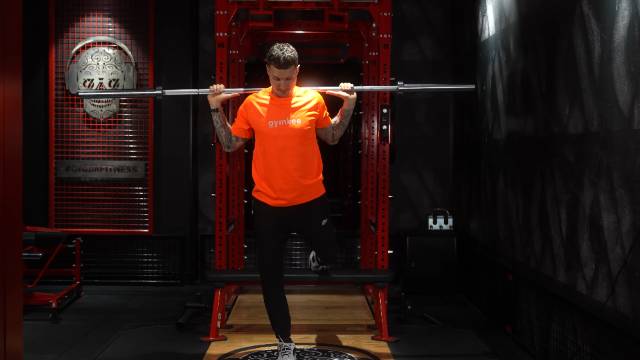
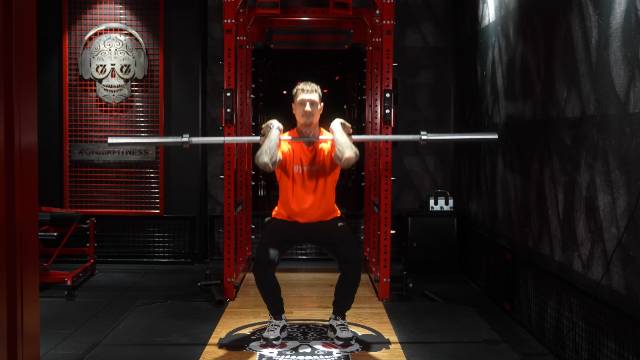
Similar exercises to Jumping Lunges – Alternating include Alternating Single-Arm Dumbbell Thruster, Barbell Alternating Lunges, Barbell Bulgarian Split Squat, Barbell Front Squat. These alternatives target the same muscle groups and can be used to add variety to your training program.
Is Jumping Lunges – Alternating better than Alternating Single-Arm Dumbbell Thruster?
Both Jumping Lunges – Alternating and Alternating Single-Arm Dumbbell Thruster target the Quadriceps. Jumping Lunges – Alternating uses No equipment, while Alternating Single-Arm Dumbbell Thruster offers a different movement pattern. The best choice depends on your goals, available equipment, and training program. Many coaches include both for well-rounded development.
Alternative Exercises
Add Jumping Lunges – Alternating to your coaching programs
Create personalized training programs with Gymkee. Access 550+ exercises in 4K with male and female videos, multiple angles, and step-by-step instructions. Build custom workouts and deliver a professional experience to your clients.
© 2019–2026 KEEZOKU SAS. All exercise content (videos, descriptions, data) is protected intellectual property. Unauthorized reproduction, distribution, or modification is prohibited.