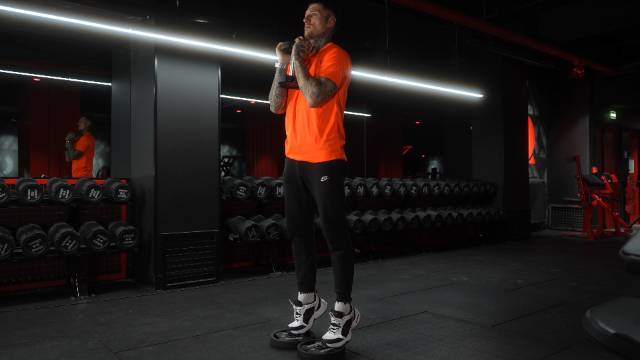
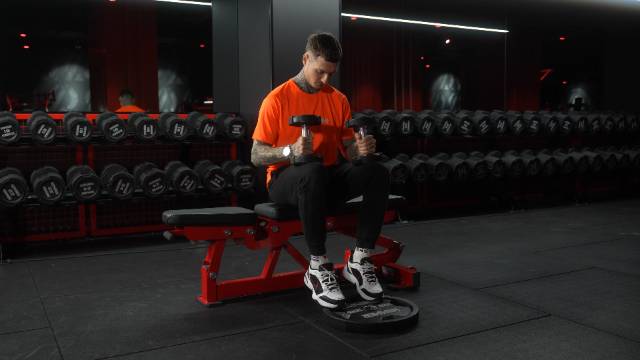
What it lets you do
- Walking a whole city all day and not limping by dinner.
- Taking a stopped escalator two steps at a time.
- Kicking for the last hundred meters of a run and actually having something left.
Two muscles, one Achilles tendon, and every step you take.
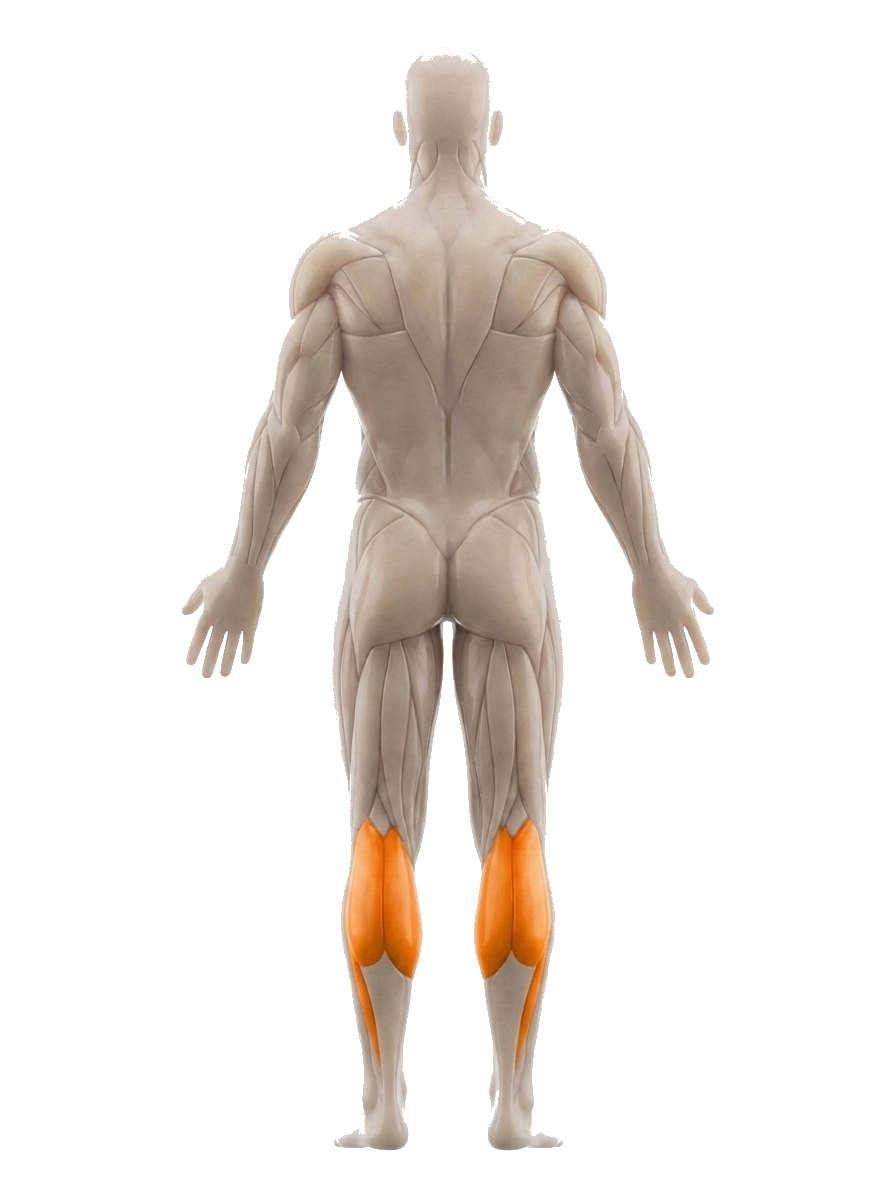
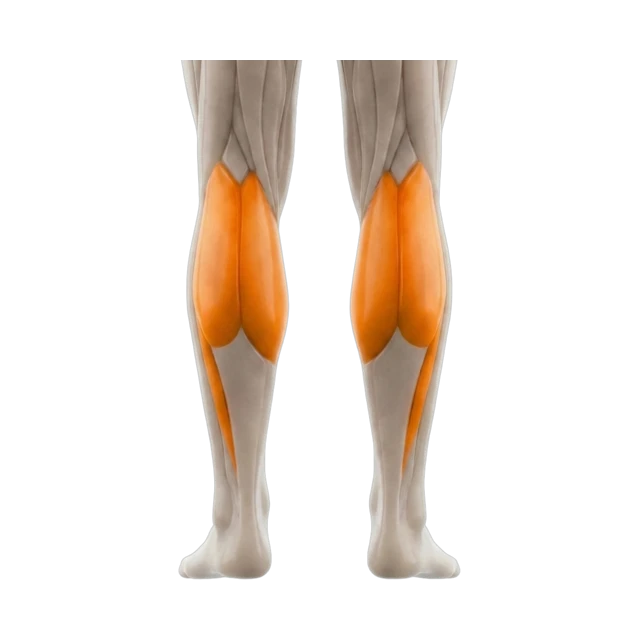
Every step you've taken today started with these. They run down the back of your lower leg, between your knee and your heel.
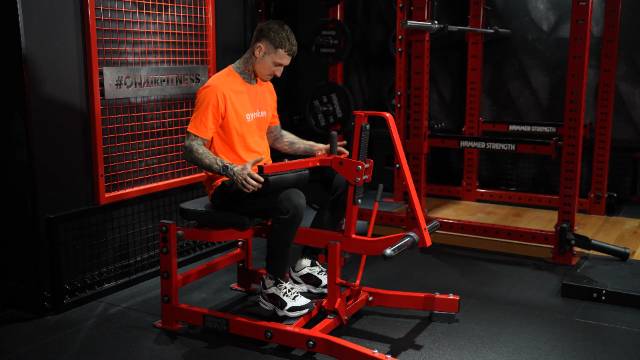
Low on the back of your leg, above the heel. A slow rise with a real pause at the top burns far more than fast reps ever will, and that difference is the whole exercise.
Long days on your feet start costing you. The calf and the Achilles tendon behind it absorb every step, and when the muscle stops taking its share, the tendon takes more.
The calf is made of the gastrocnemius, the two-headed muscle you see at the back of the lower leg, and the soleus, a flatter, deeper muscle underneath. Both plantarflex the ankle, pointing the foot downward. The gastrocnemius crosses the knee, so it works hardest with a straight leg; the soleus does most of the work when the knee is bent.
The calves propel you in walking, running and jumping, absorb landing forces and pump blood back up from the legs. They are dense, endurance-oriented muscles that carry your bodyweight thousands of times a day, which is why they need heavy loads and a full range of motion to grow.
The volume and frequency below are programming starting points for the calves, to be adjusted to each person's level and recovery.
Bouncing out of the bottom instead of pausing in the stretch.
Rising only halfway and never reaching a full contraction on the toes.
Training only standing raises, which leaves the soleus under-trained.
Doing calves once a week with low intensity and expecting growth.
34 matching exercises
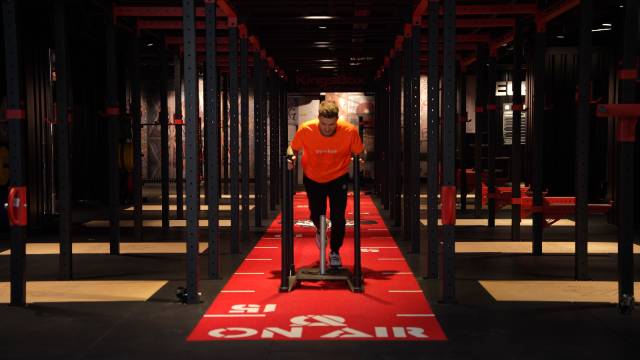
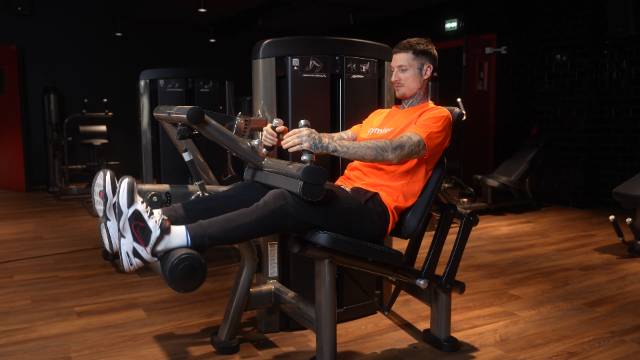
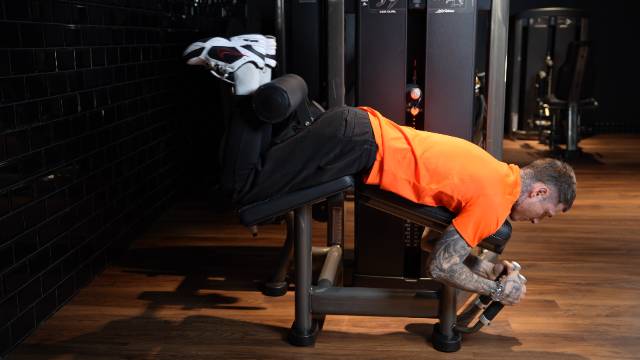
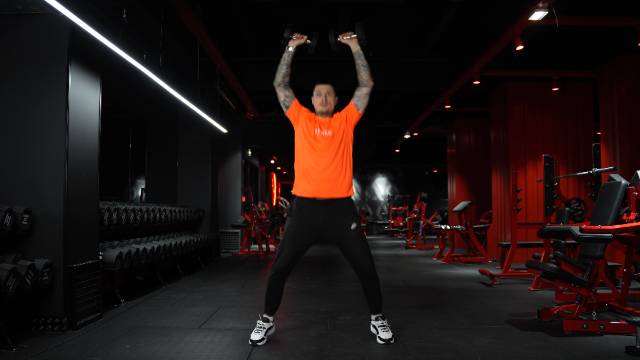
Most often because of partial reps, bouncing and low frequency. Use a full range with a pause at the bottom, load them heavily, and train them two to four times a week.
Both. Standing raises target the gastrocnemius with a straight knee; seated raises isolate the soleus with a bent knee. Complete calf training needs the two.
The calves tolerate high frequency well, but they still need progressive load. Three or four quality sessions a week beat daily half-hearted sets.
Create personalized training programs with Gymkee. Access 550+ exercises in 4K with male and female videos, multiple angles, and step-by-step instructions. Build custom workouts and deliver a professional experience to your clients.