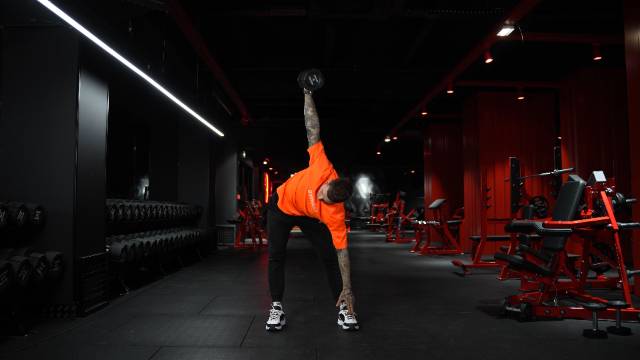
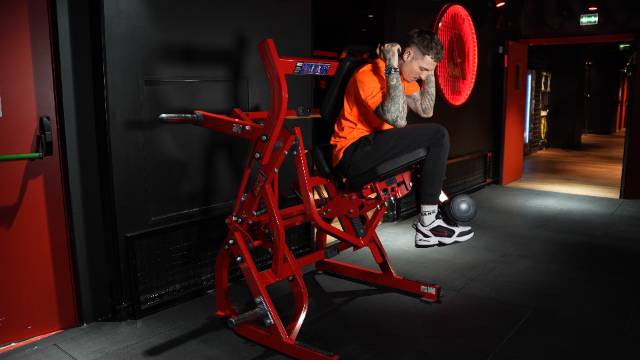
What it lets you do
- Carrying a full toolbox in one hand without leaning like a broken lamppost.
- Twisting round to grab something off the back seat while you're still belted in.
- Putting real power into a golf swing instead of arming it.
Rotation, side bending and the anti-rotation that protects your spine.
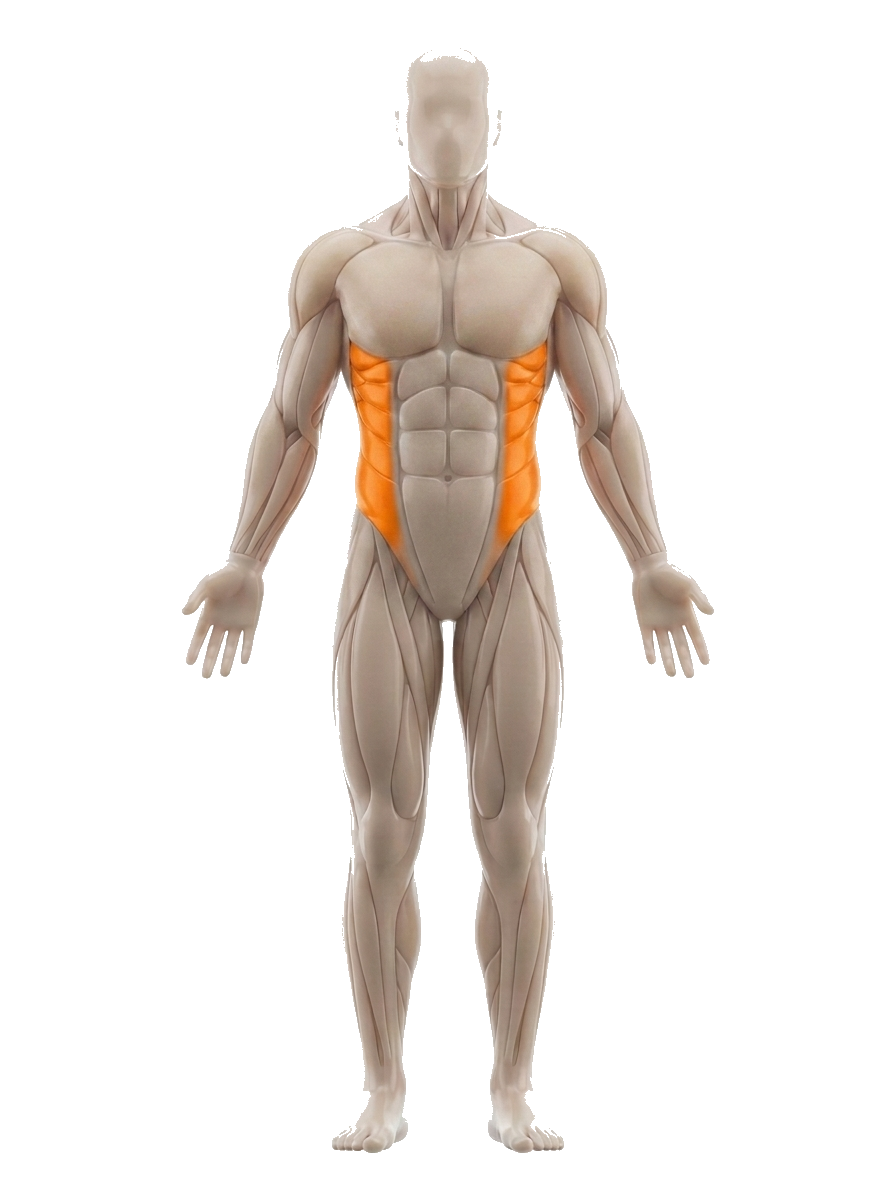
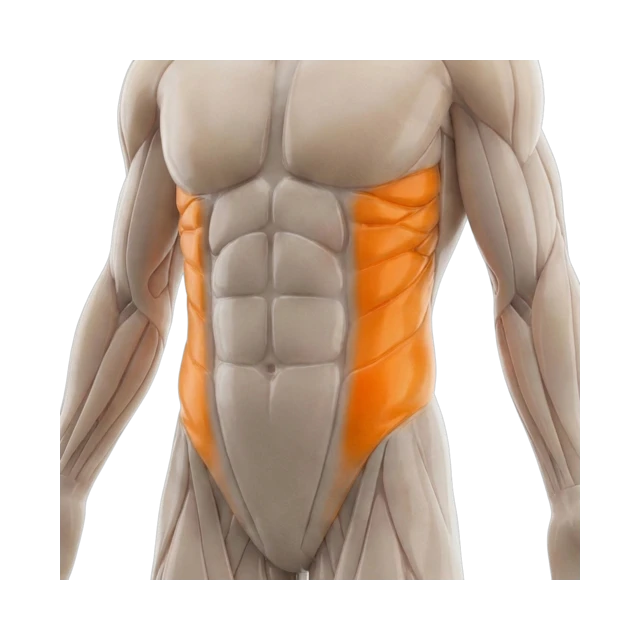
The muscles wrapping around the sides of your waist, running on a diagonal from your ribs down to your hips.
Down the sides of your waist, between your ribs and your hip. On a side plank it's a slow, steady burn, and the second they quit, your hip drops. That drop is the signal, not a suggestion.
Nothing puts a brake on twisting. Carry something heavy on one side and your spine bends to make up the difference, every single time.
The obliques sit on the sides of the waist in two layers. The external obliques run diagonally downward and forward; the internal obliques run underneath in the opposite direction. Working together on one side they bend the trunk sideways; working across sides they rotate it.
Their most important job in training is anti-rotation: keeping the trunk still while one arm or leg produces force. Every single-arm press, carry and row relies on the obliques. Well-trained obliques improve rotational power in sport and make the waist look tighter, not wider.
The volume and frequency below are programming starting points for the obliques, to be adjusted to each person's level and recovery.
Twisting fast with a heavy weight, which loads the spine instead of the muscle.
Avoiding obliques for fear of a wider waist; they add stability, not bulk, at normal training loads.
Letting the hips sag in side planks.
Doing only rotation and never anti-rotation work.
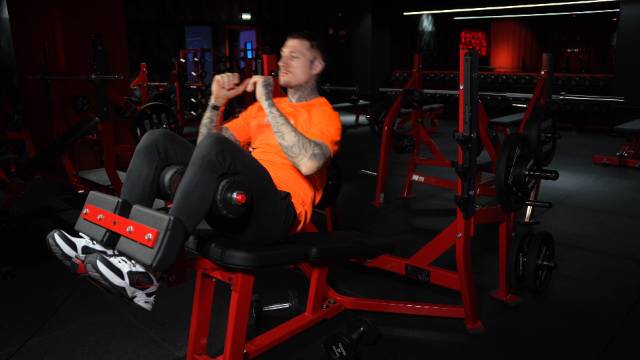
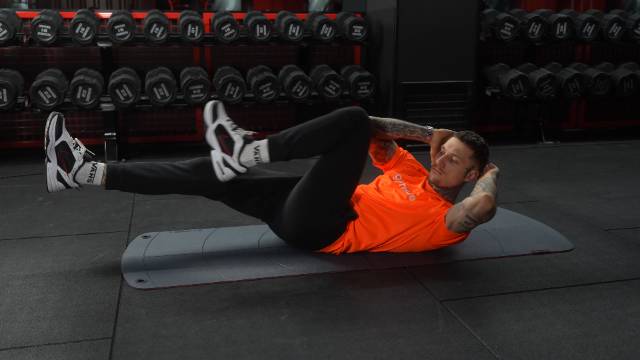
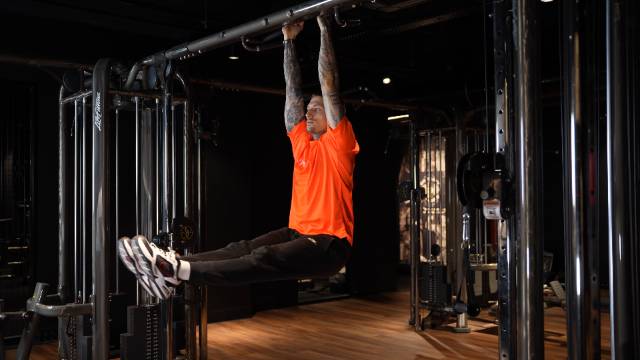
17 matching exercises
This muscle shares an exercise category with the closest functional group.
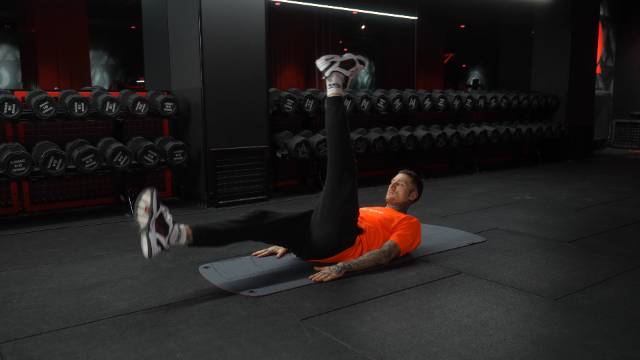
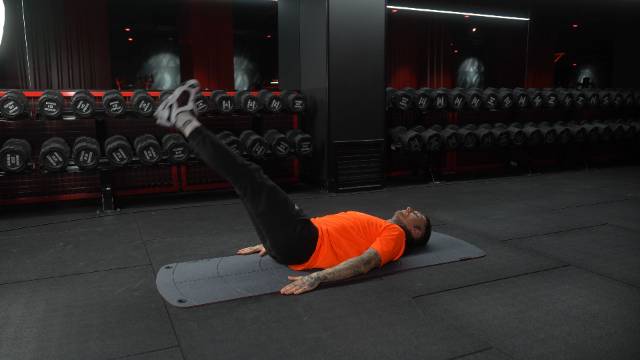
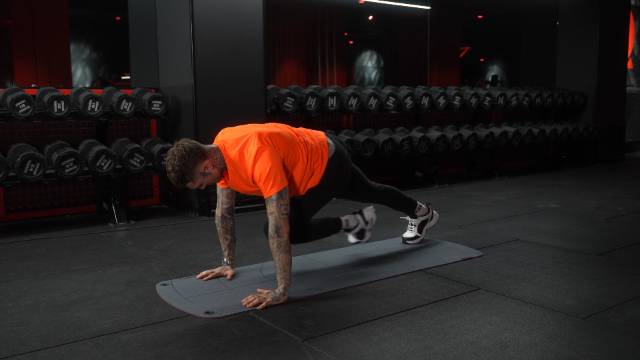
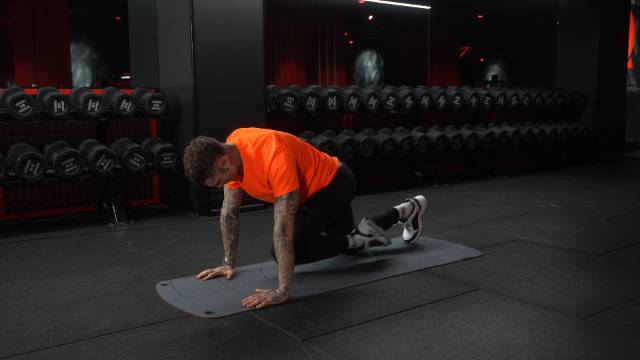
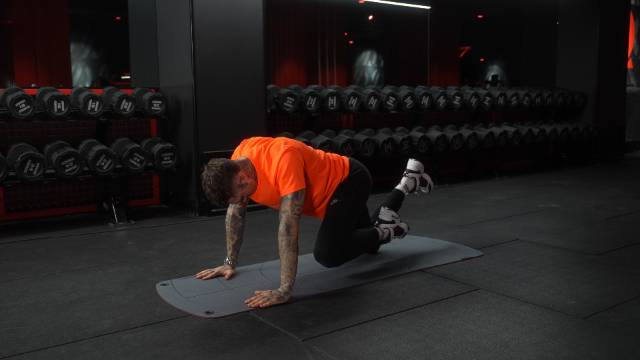
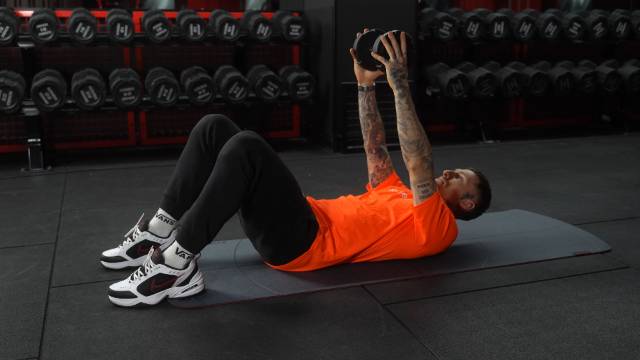
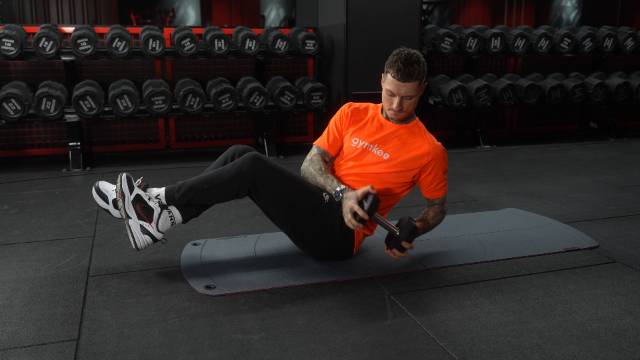
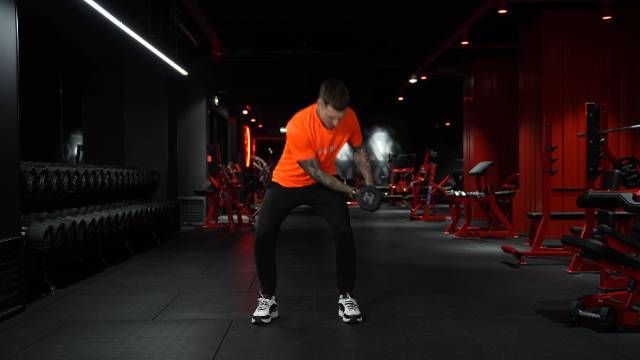
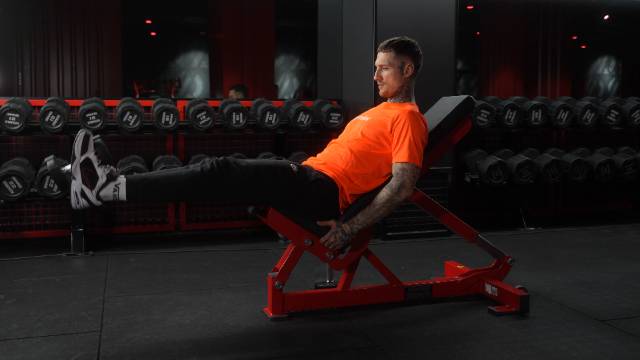
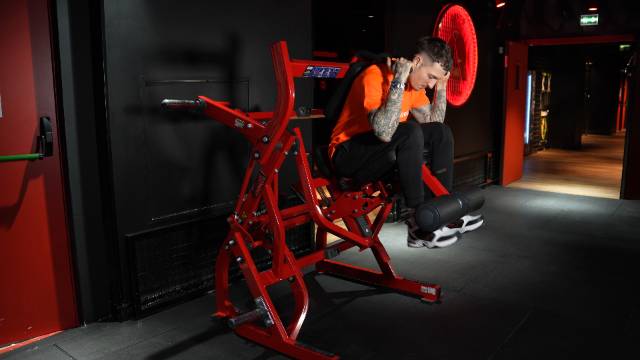
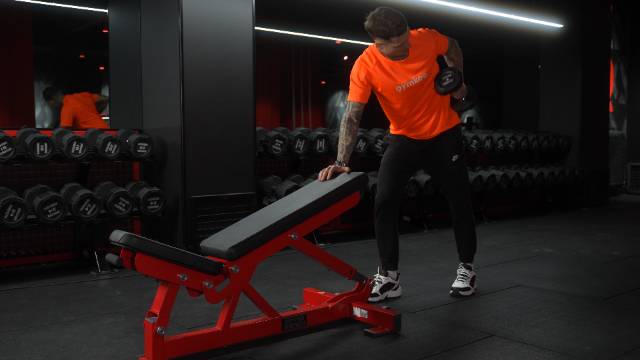
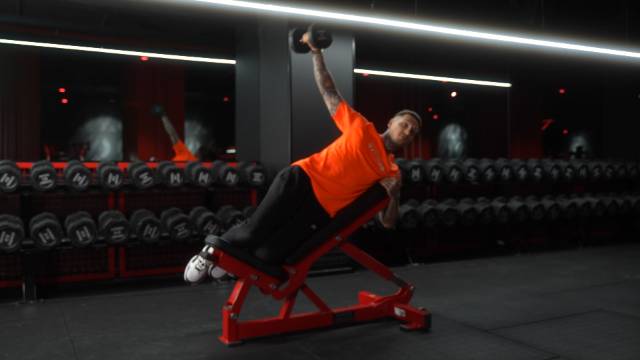
At normal training loads, no. Obliques are thin muscles. A tighter, more stable waist is the usual outcome of consistent side-plank and anti-rotation work.
The Pallof press and the side plank are the safest and most transferable starting points. Cable woodchops add controlled rotation once the basics are solid.
They are the muscles that keep the trunk stable during single-arm and single-leg work, which most clients need for daily life and sport. Weak obliques show up as a twisting torso on lunges and presses.
Create personalized training programs with Gymkee. Access 550+ exercises in 4K with male and female videos, multiple angles, and step-by-step instructions. Build custom workouts and deliver a professional experience to your clients.