What it lets you do
- Wearing a loaded backpack all day without your shoulders rolling forward.
- Checking your blind spot with a real head turn instead of just your eyes.
- Finishing a long drive with your shoulder blades still loose.
From the base of the skull to the middle of the back.
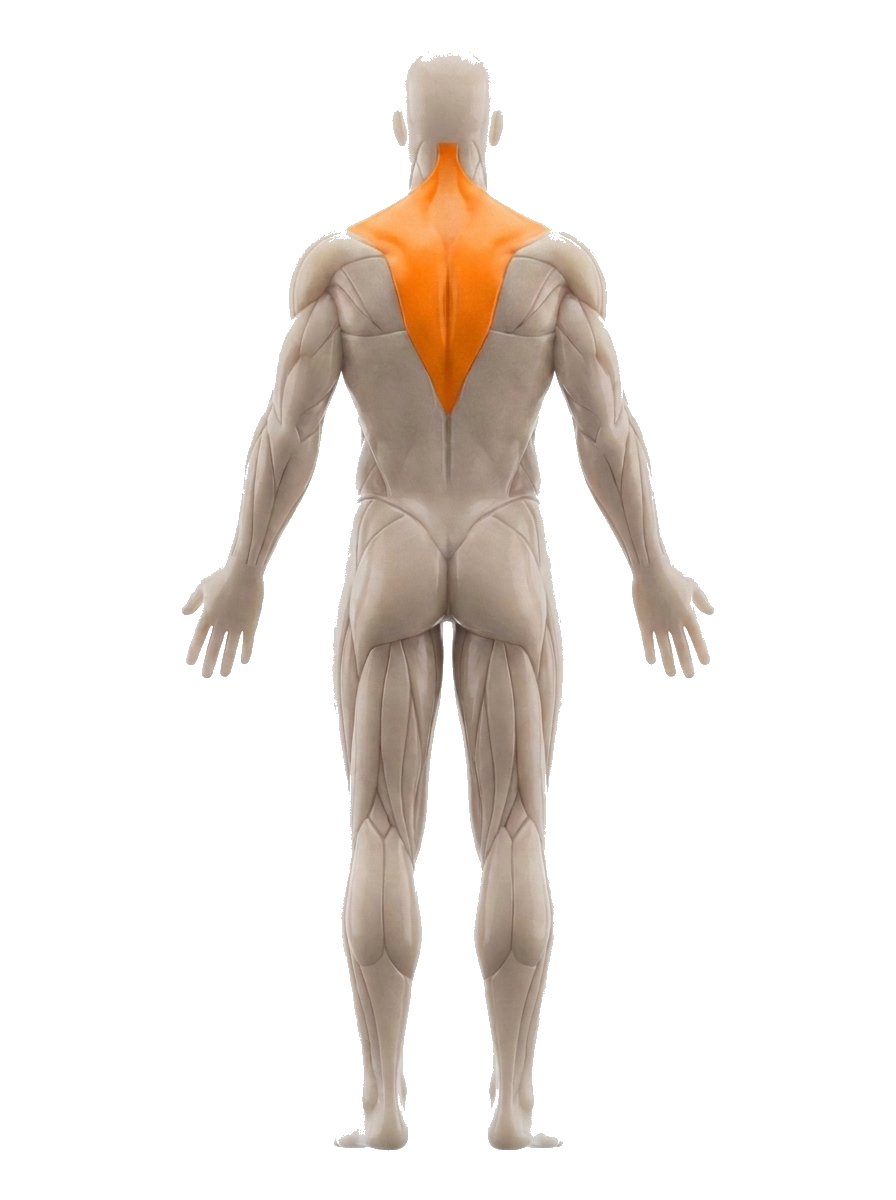
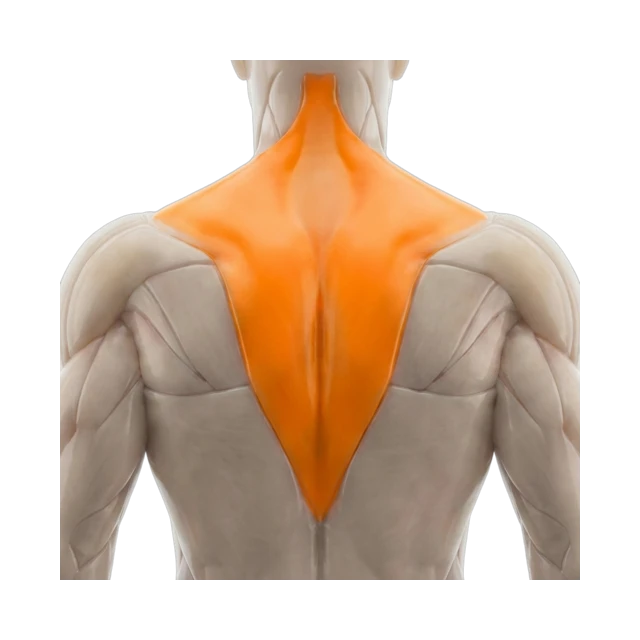
A big diamond across your upper back, from the base of your skull down the middle of your spine and out to each shoulder. Most people only ever meet the top corner of it.
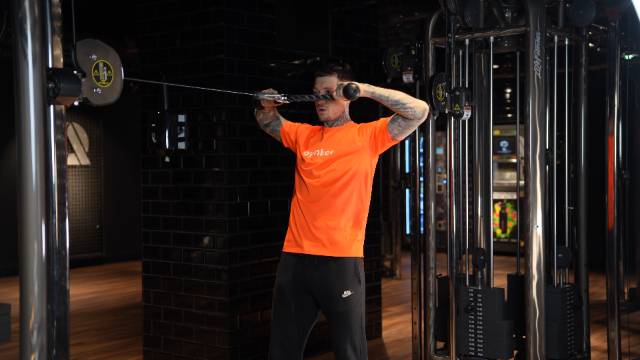
Two places, depending on the movement. Shrugs light up the top, where your neck meets your shoulder. Rows and face pulls hit between your shoulder blades, and that's the part almost nobody trains.
The desk posture arrives. Shoulders forward, chest closed, and it settles in long before you ever notice it.
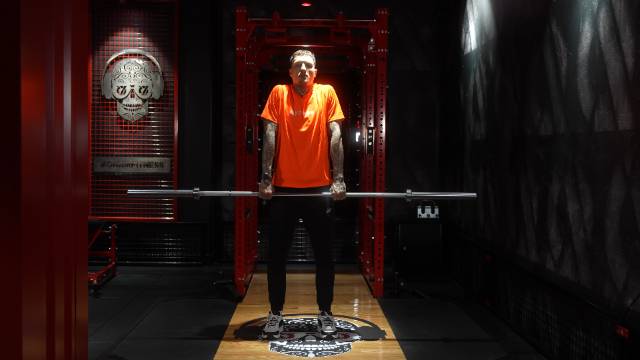
The trapezius is a large, kite-shaped muscle that runs from the base of the skull and the neck down to the mid-back, and out to the shoulder blades and collarbones. The upper fibres elevate the shoulders (shrugging), the middle fibres pull the shoulder blades together, and the lower fibres pull them down.
The traps stabilise the shoulder blade during every press and pull, and they carry load in deadlifts, carries and Olympic lifts. Balanced traps, with the middle and lower fibres as strong as the upper, are the foundation of good shoulder mechanics and posture.
The volume and frequency below are programming starting points for the traps, to be adjusted to each person's level and recovery.
Rolling the shoulders during shrugs, which does nothing extra and stresses the joint.
Only shrugging, so the upper traps dominate and the shoulders round forward.
Using momentum to shrug very heavy weight through a tiny range of motion.
Ignoring the lower traps, which are essential for overhead pressing.
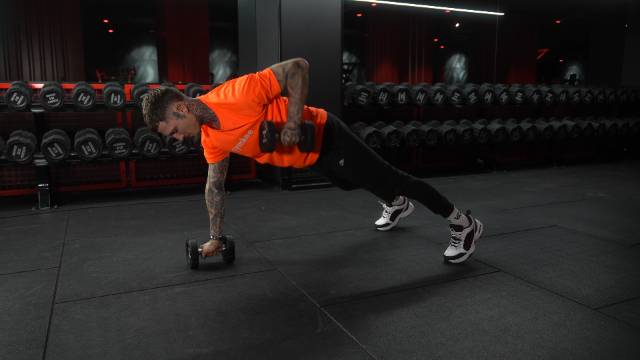
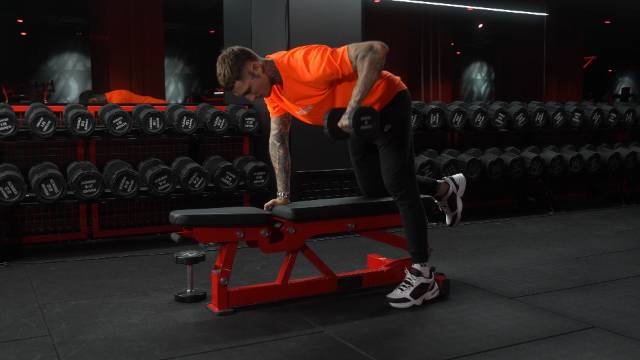
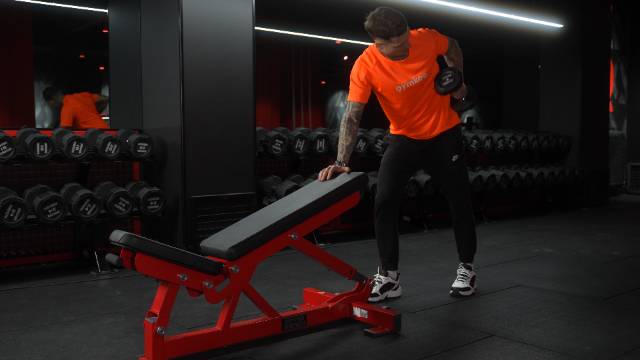
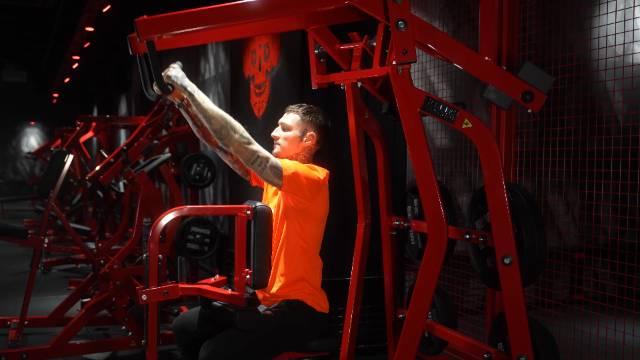
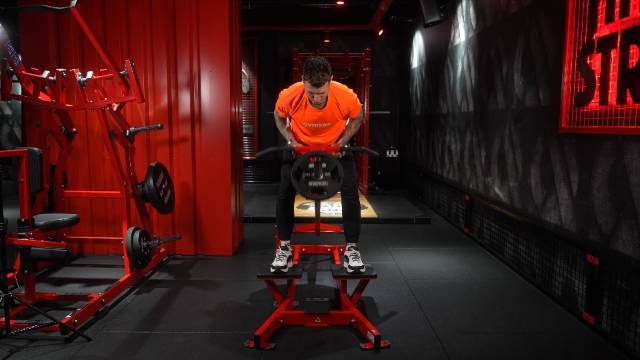
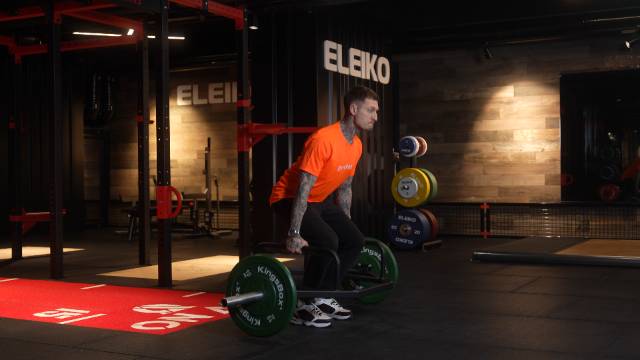
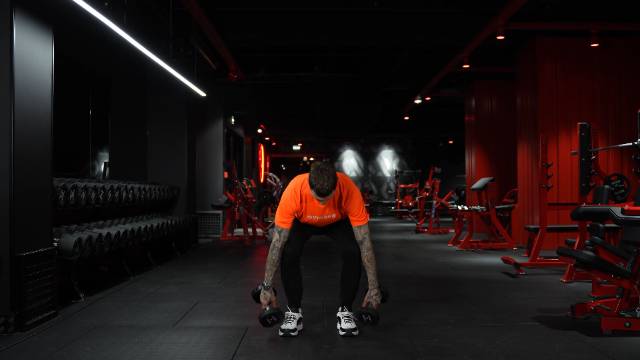
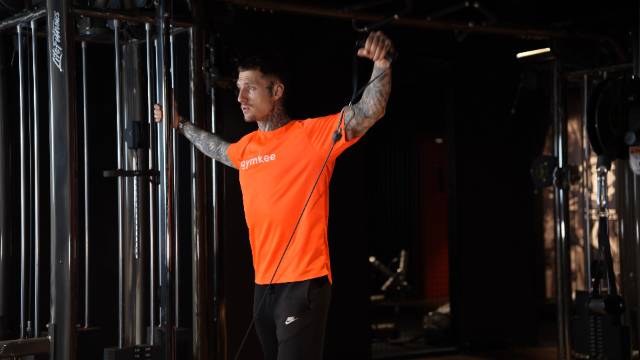
31 matching exercises
Yes. Holding a heavy bar loads the upper traps isometrically, which is why strong deadlifters usually have well-developed traps without much direct work.
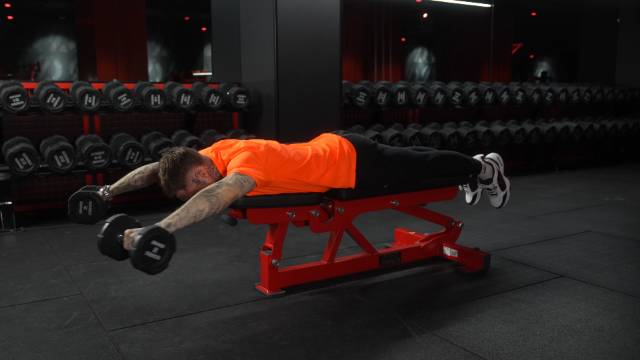
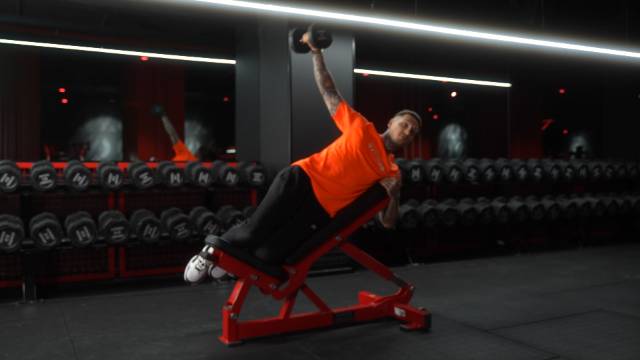
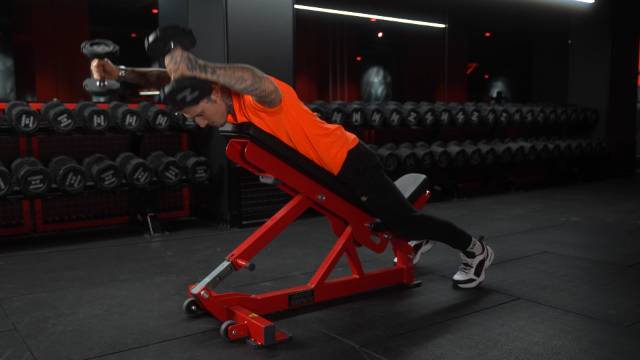
Face pulls with the elbows high, prone Y-raises and overhead carries all target the lower fibres. They respond best to lighter loads and controlled reps.
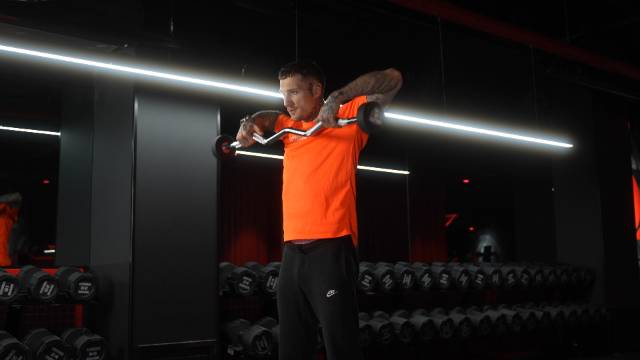
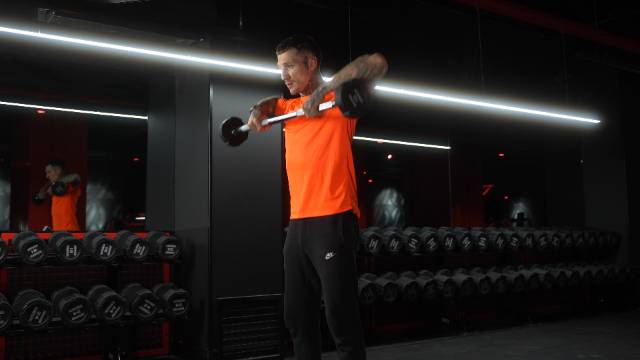
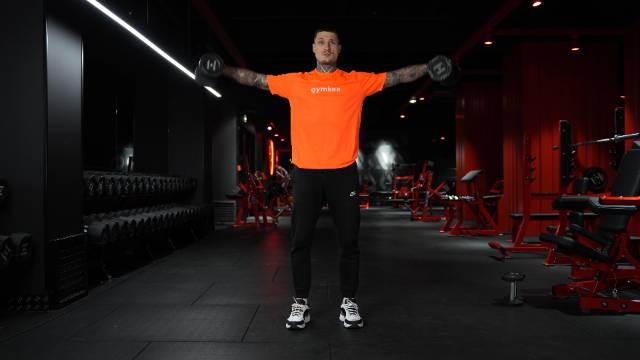
Because the shoulders shrug up as the arms rise. Keep the shoulders down, lead with the elbows and stop the raise at shoulder height.
Create personalized training programs with Gymkee. Access 550+ exercises in 4K with male and female videos, multiple angles, and step-by-step instructions. Build custom workouts and deliver a professional experience to your clients.